
Coastal Habitats Hub

ABOUT US

COASTAL HABITATS HUB

Coastal Habitats Hub

Ocean biodiversity along Canada’s three coasts is increasingly at risk, yet significant gaps remain in the actionable data, cross-sector relationships, and coordinated science–policy pathways required to guide effective conservation and restoration. Coastal blue carbon ecosystems — including seagrass meadows, salt marshes, and kelp forests — provide critical biodiversity habitat, climate mitigation, and coastal protection benefits. However, fragmented governance, uneven data coverage, and limited mechanisms for sustained knowledge exchange have constrained their integration into strategic planning, policy, and stewardship action.


In response, WWF-Canada and cross-sector partners have co-designed a national Coastal Habitats Learning & Knowledge Hub to strengthen pathways from knowledge to action. The Hub was developed to build durable relationships between knowledge holders (including Indigenous knowledge holders, scientists, practitioners, and community experts) and knowledge users (decision-makers across jurisdictions), positioning shared knowledge as central to evidence-based management, restoration, and protection efforts.

We recognize that the work of coastal research and stewardship takes place on the traditional, ancestral, and unceded territories of First Nations, Inuit, and Métis peoples, who have cared for coastal lands and waters since time immemorial, and continue to do so today.

We hold respect for the relationships, governance systems, and knowledge traditions that have always guided coastal stewardship.

Our Approach

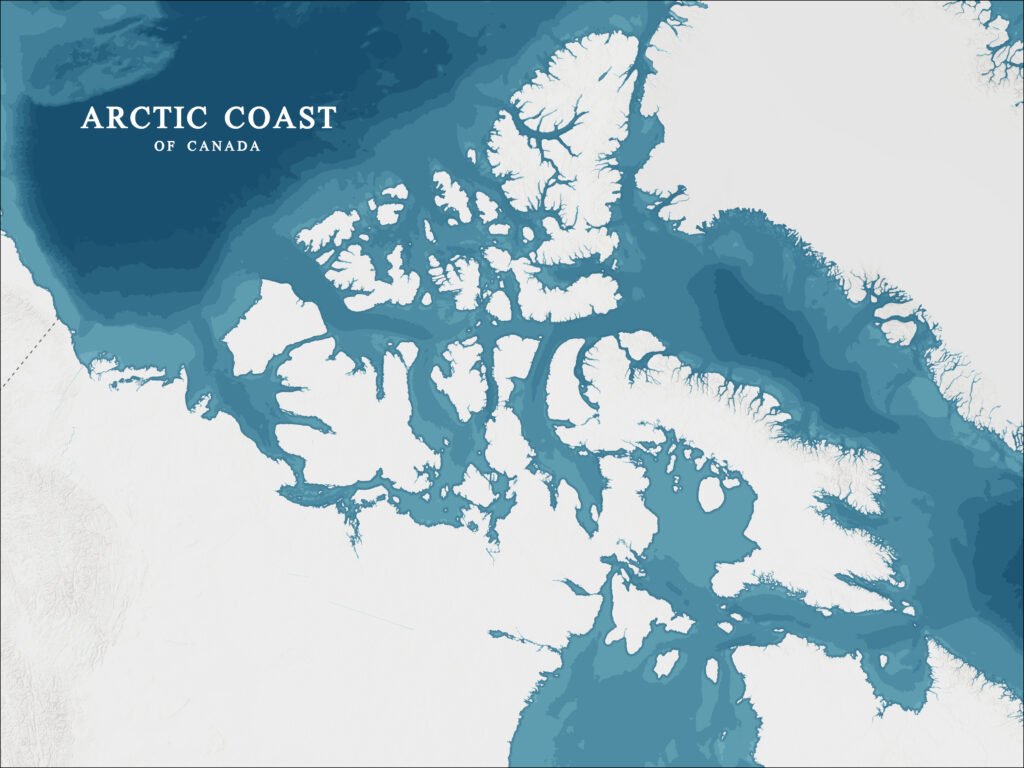
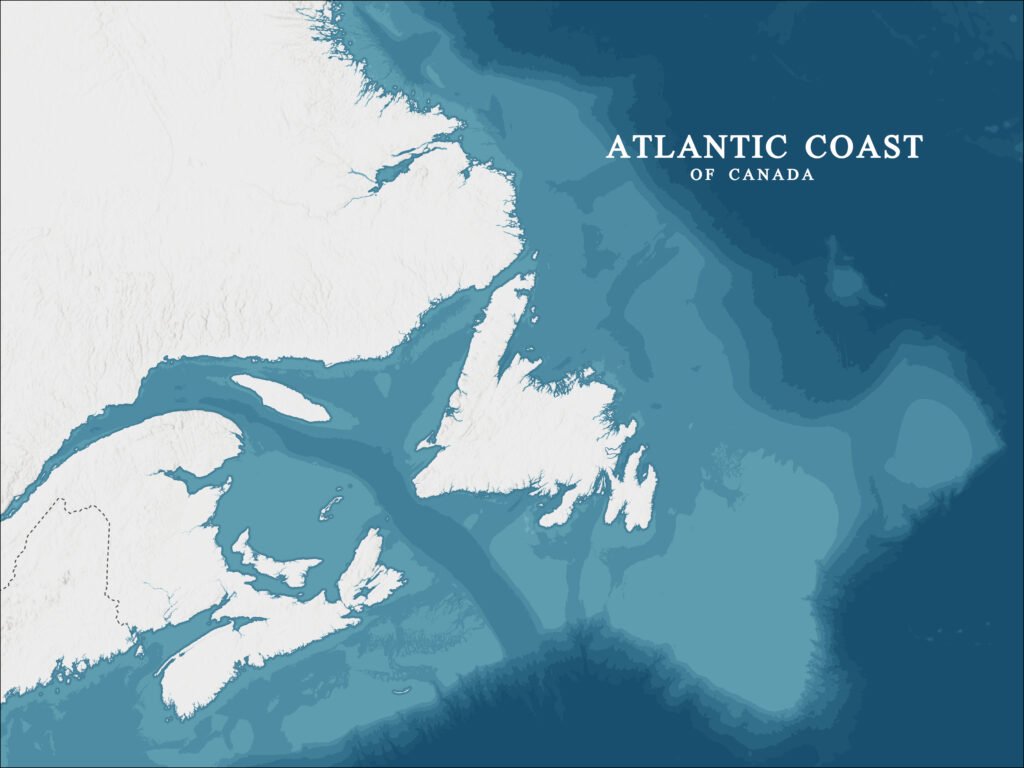
The Coastal Habitats Learning and Knowledge Hub (a.k.a. “Coastal Habitats Hub”) is a national initiative covering three habitats (salt marshes, seagrass meadows and kelp forests), three coasts and working toward three goals:


  • Enable people and practitioners: Support coordination, knowledge sharing and training coast to coast to coast
  • Protect and restore coastal habitats: Provide research and tools to advance coastal monitoring, stewardship and restoration
  • Cultivate solutions to climate change: Bring together information, resources and knowledge on nature-based climate solutions in coastal ecosystems

Salt marshes

Coastal salt marshes are productive intertidal ecosystems dominated by salt-tolerant plants that stabilize shorelines, filter nutrients, store carbon and provide vital habitat for wildlife.

Seagrass meadows

Seagrass meadows consist of underwater flowering plants that provide habitat, stabilize sediments, improve water quality and store carbon, supporting resilient coastal habitats.

Kelp forests

Kelp forests are underwater ecosystems of large seaweeds that provide habitat, support biodiversity, buffer wave energy, store carbon and help to sustain healthy coastal food webs.

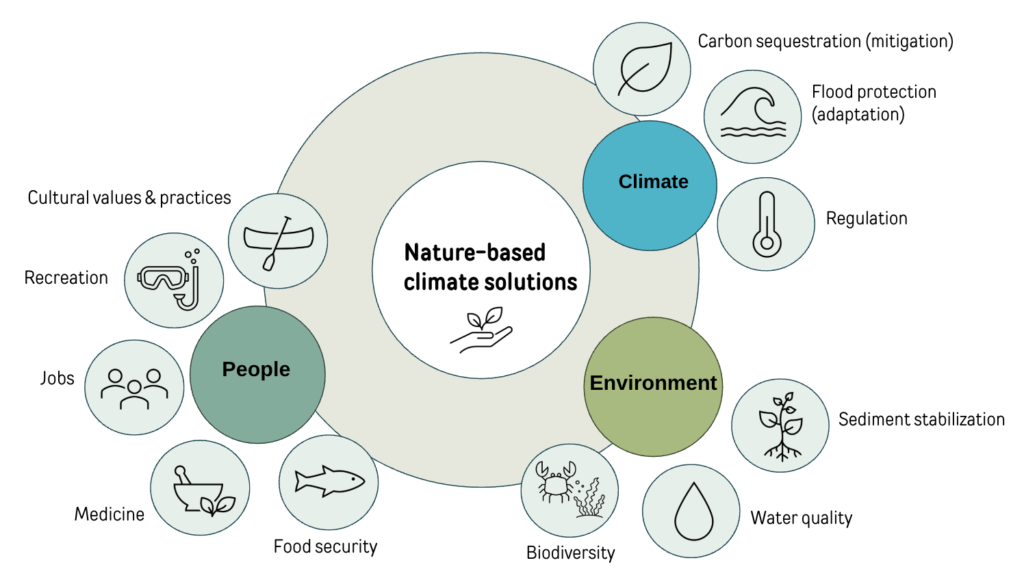
What are Nature-based Climate Solutions

We define nature-based climate solutions as actions that protect, restore, or improve the management of coastal ecosystems to address climate change and its impacts, while also supporting biodiversity, community well-being, and cultural values.

Our Team

Marianne Fish

Marianne Fish

WWF-Canada
Lorem ipsum dolor sit amet, consectetur adipiscing elit. Curabitur laoreet cursus volutpat. Aliquam sit amet ligula et justo tincidunt laorsoet non vitae lorem.
Margot Hessing-Lewis

Margot Hessing-Lewis

Hakai Institute
Lorem ipsum dolor sit amet, consectetur adipiscing elit. Curabitur laoreet cursus volutpat. Aliquam sit amet ligula et justo tincidunt laorsoet non vitae lorem.

Julia Baum

Julia Baum

Blue Carbon Canada, University of Victoria
Lorem ipsum dolor sit amet, consectetur adipiscing elit. Curabitur laoreet cursus volutpat. Aliquam sit amet ligula et justo tincidunt laorsoet non vitae lorem.
Sara Knox

Sara Knox

Ecoflux Lab, McGill University
Lorem ipsum dolor sit amet, consectetur adipiscing elit. Curabitur laoreet cursus volutpat. Aliquam sit amet ligula et justo tincidunt laorsoet non vitae lorem.

Project Timeline

2025
2026

Related Networks and Communities of Practice

National Kelp Learning and Practice Alliance (NKELPA)

NKELPA brings together kelp-related efforts across Canada’s coasts, led by scientists, Indigenous stewards, policymakers, NGOs and practitioners.

Kelp Node

Kelp Node is a network of kelp practitioners working to advance kelp conservation, management and recovery in shared B.C.–Wash. waters. Kelp Node consists of six working groups operating within a “knowledge-to-action” framework.

Text

Lorem ipsum dolor sit amet, consectetur adipiscing elit. Ut elit tellus, luctus nec ullamcorper mattis, pulvinar dapibus leo.

Text

Lorem ipsum dolor sit amet, consectetur adipiscing elit. Ut elit tellus, luctus nec ullamcorper mattis, pulvinar dapibus leo.

The Coastal Habitats Hub is co-led by WWF-Canada and the Hakai Institute, in partnership with the RAD Network, the Ecoflux Lab at McGill University and the University of Victoria’s Blue Carbon Canada Program.