–— ABOUT US
The Coastal Habitats Learning and Knowledge Hub
Coastal blue carbon ecosystems — including seagrass meadows, salt marshes, and kelp forests — provide critical biodiversity habitat, climate mitigation, and coastal protection. However, fragmented governance, uneven data coverage, and limited mechanisms for sustained knowledge exchange have constrained their integration into strategic planning, policy, and stewardship action.
In response, WWF-Canada and cross-sector partners have co-designed a national Coastal Habitats Learning and Knowledge Hub to enable knowledge-to-action pathways and strengthen coastal stewardship. Through the Hub we aim to fill critical knowledge gaps and develop durable relationships between knowledge holders (including Indigenous knowledge holders, scientists, practitioners, and community experts) and knowledge users (decision-makers across jurisdictions). Together we will position shared data, knowledge and information as central to evidence-based management, restoration, and protection efforts.
–— OUR APPROACH
Three habitats, three coasts, three goals
The Coastal Habitats Learning and Knowledge Hub (a.k.a. “Coastal Habitats Hub”) is a national initiative covering three habitats (salt marshes, seagrass meadows and kelp forests), three coasts and working toward three goals:
–— THREE GOALS
Mobilize and share knowledge
Fill critical research gaps and support knowledge sharing
Enable and support people
Strengthen coastal monitoring, stewardship, and restoration by connecting people with the tools, resources, and training they need
Advance actions to address climate change
Implement nature-based climate solutions in coastal ecosystems
–— THREE HABITATS
The habitats at the heart of our work
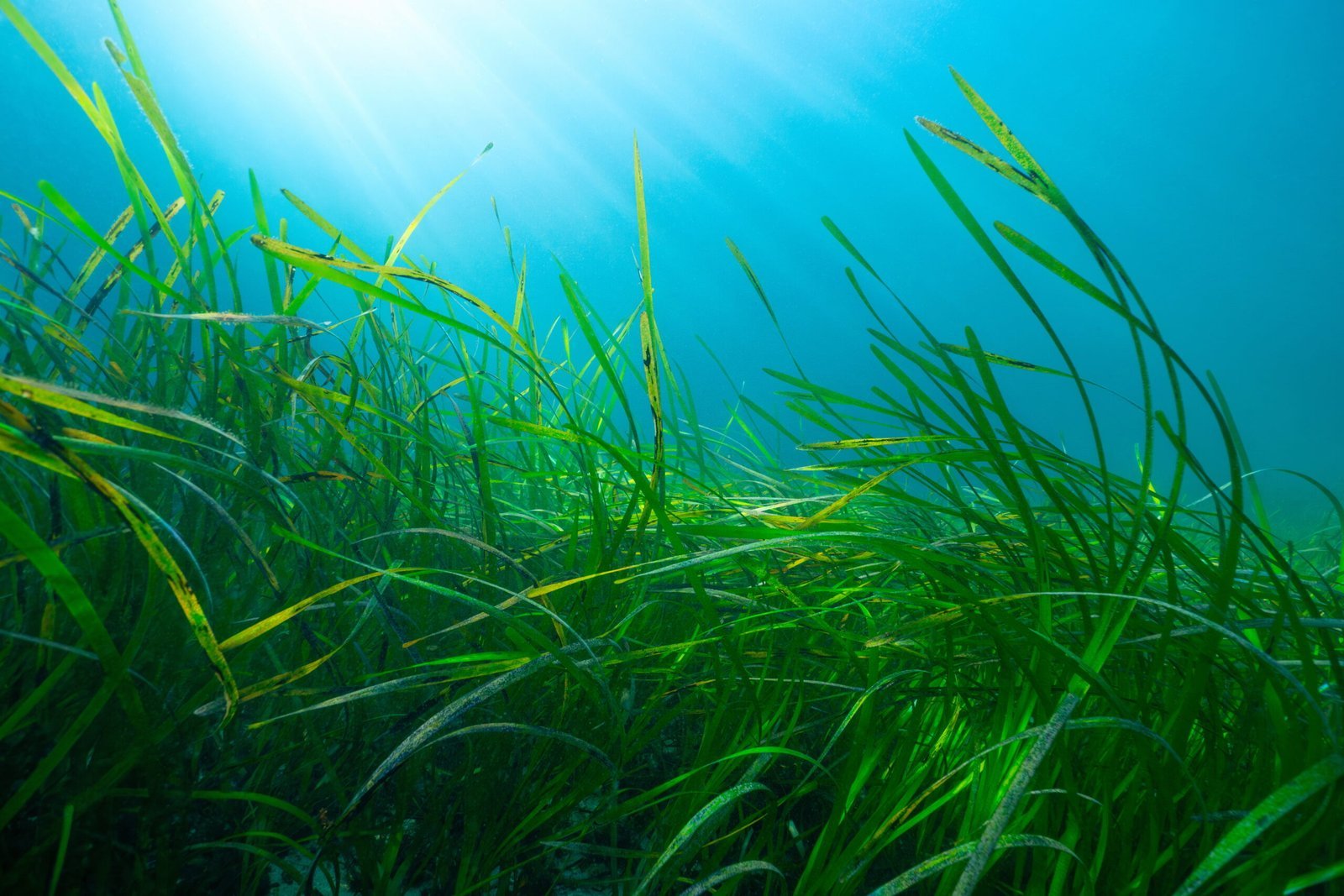
Seagrass meadows
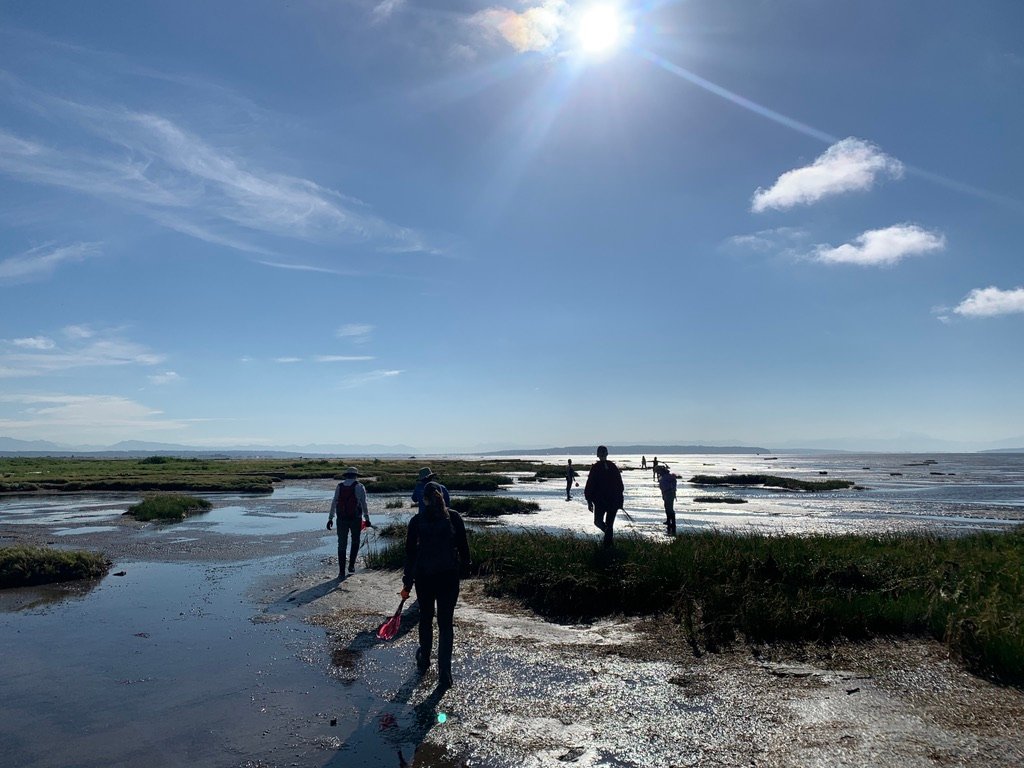
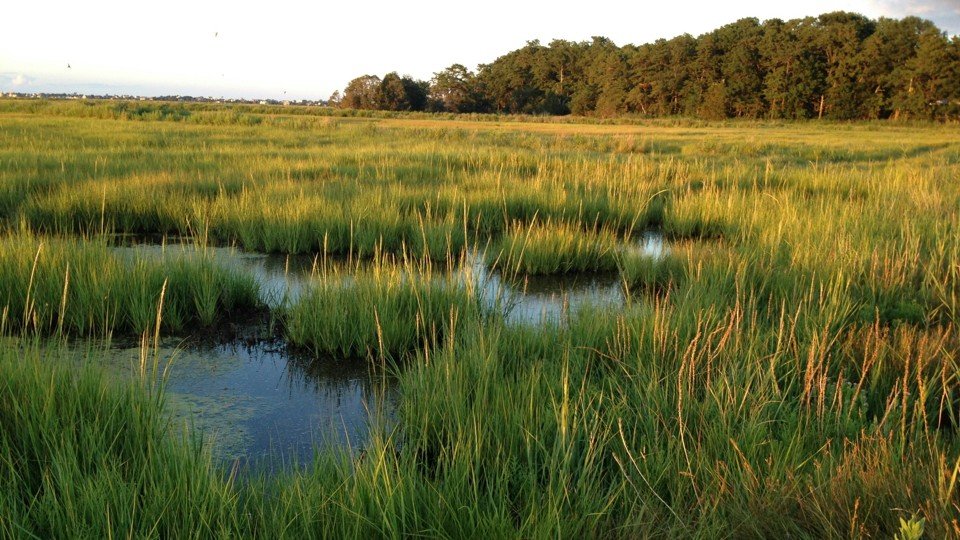
Salt Marsh
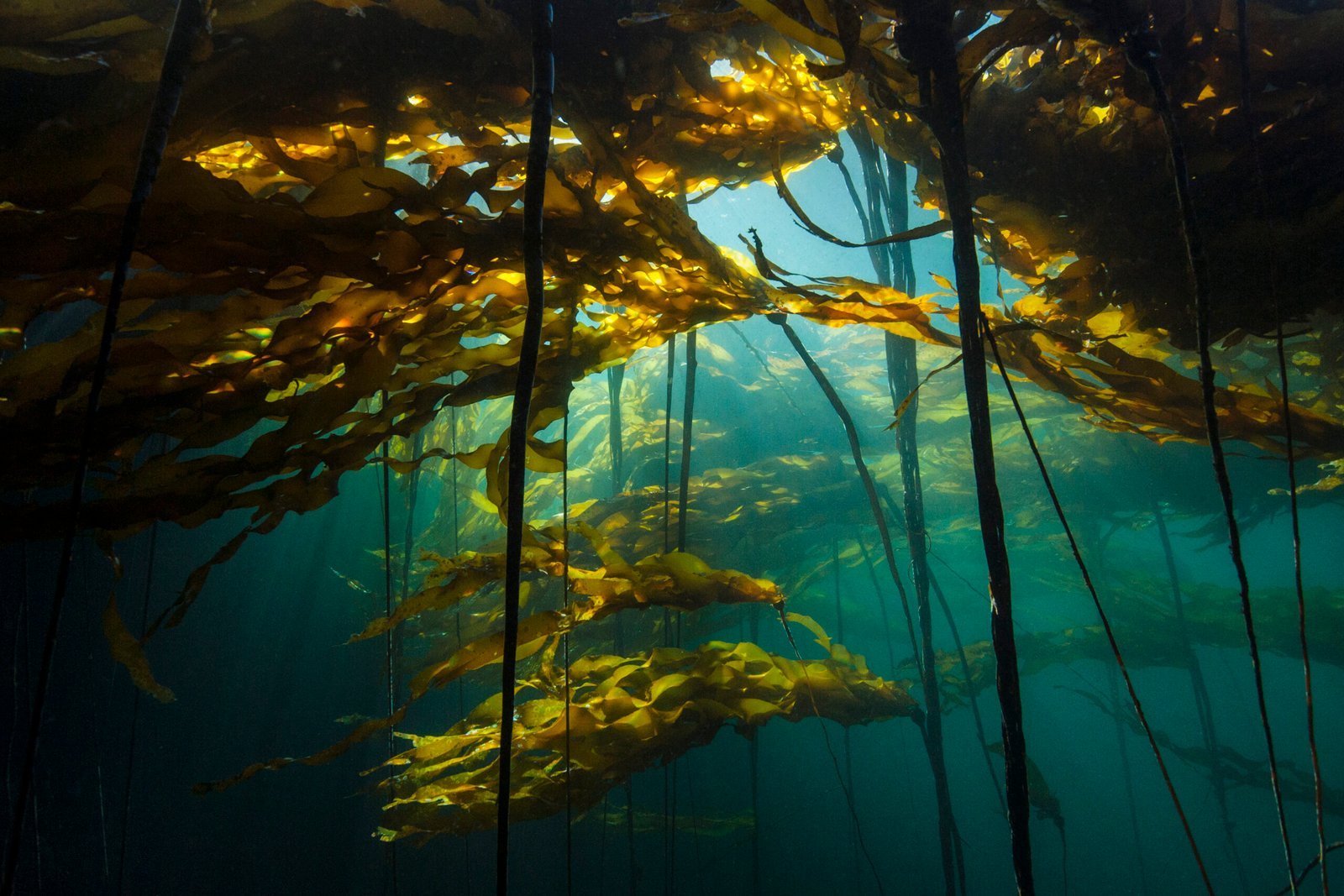
Kelp forests
–— THREE COASTS
Working across Canada's three coasts
Pacific Coast
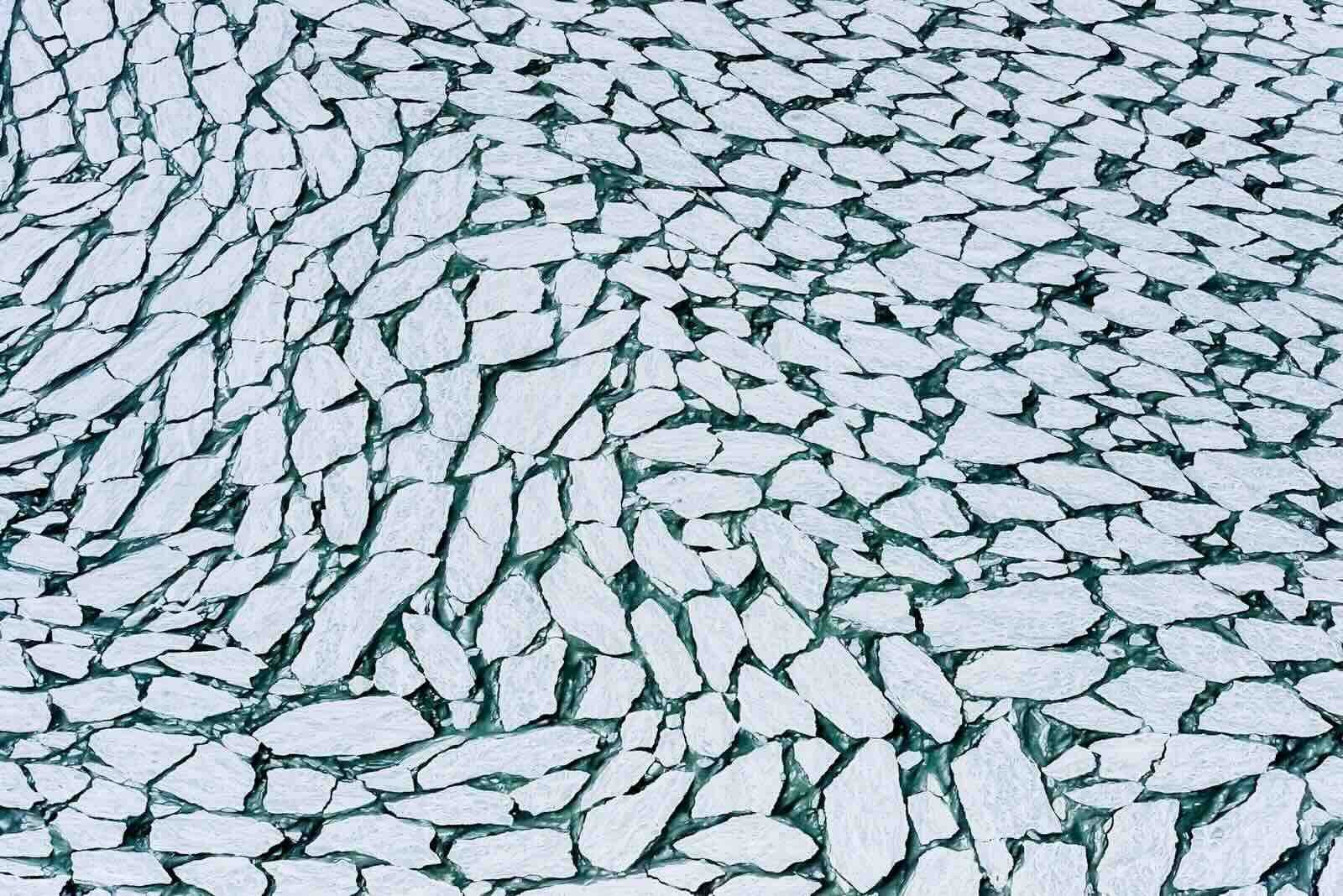
Arctic Coast
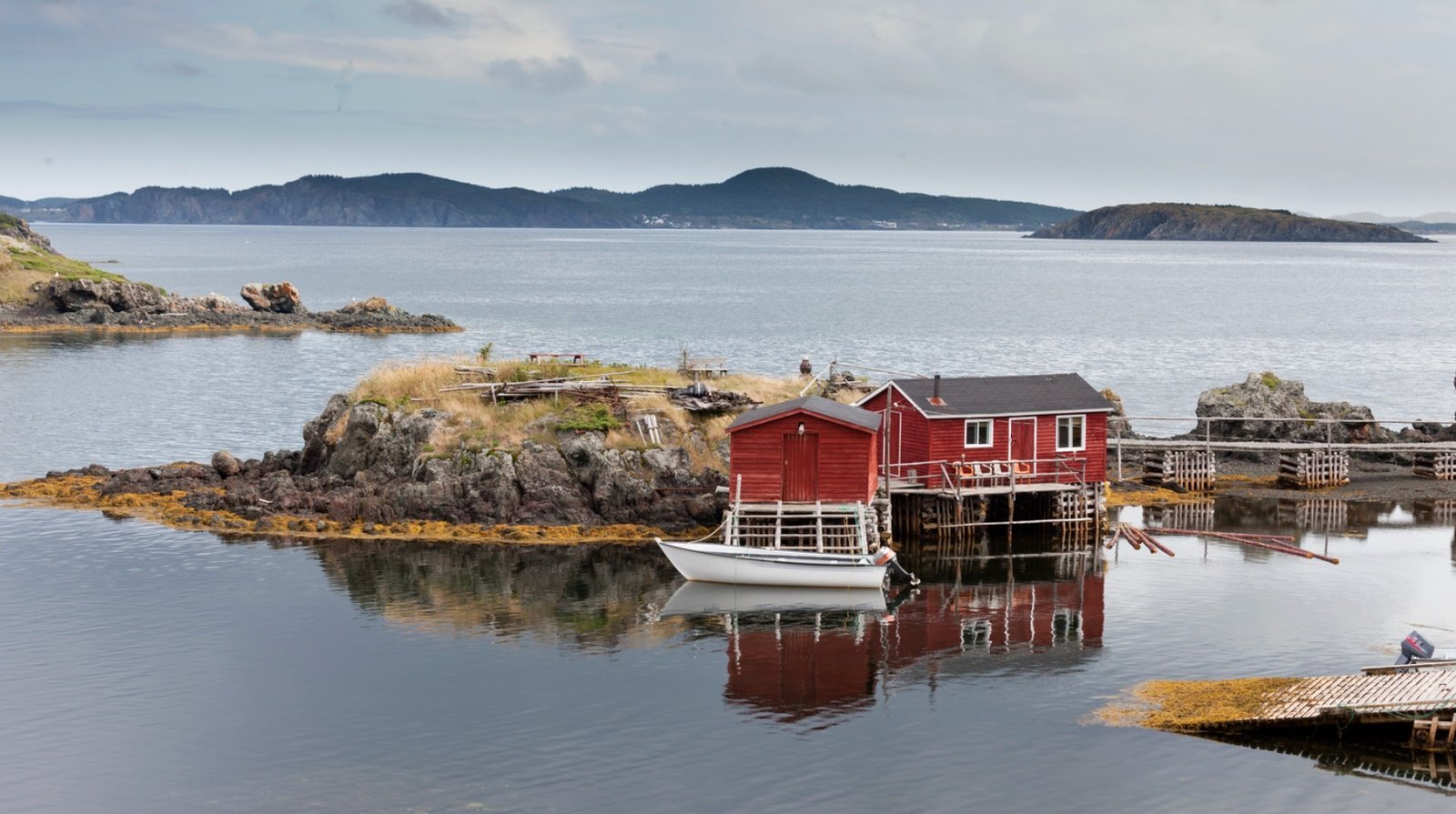
Atlantic Coast
–— WITH RESPECT
Honouring the knowledge that has always guided coastal stewardship
We hold respect for the relationships, governance systems, and knowledge traditions that have always guided coastal stewardship. We recognize that the work of coastal research and stewardship takes place on the traditional, ancestral, and unceded territories of First Nations, Inuit, and Métis peoples, who have cared for coastal lands and waters since time immemorial, and continue to do so today.
Learn more about the people behind the Hub
The Coastal Habitats Learning and Knowledge Hub is a partnership between WWF-Canada, the Hakai Institute, the RAD Network, the University of Victoria’s Blue Carbon Canada program, and McGill University’s Ecoflux Lab.

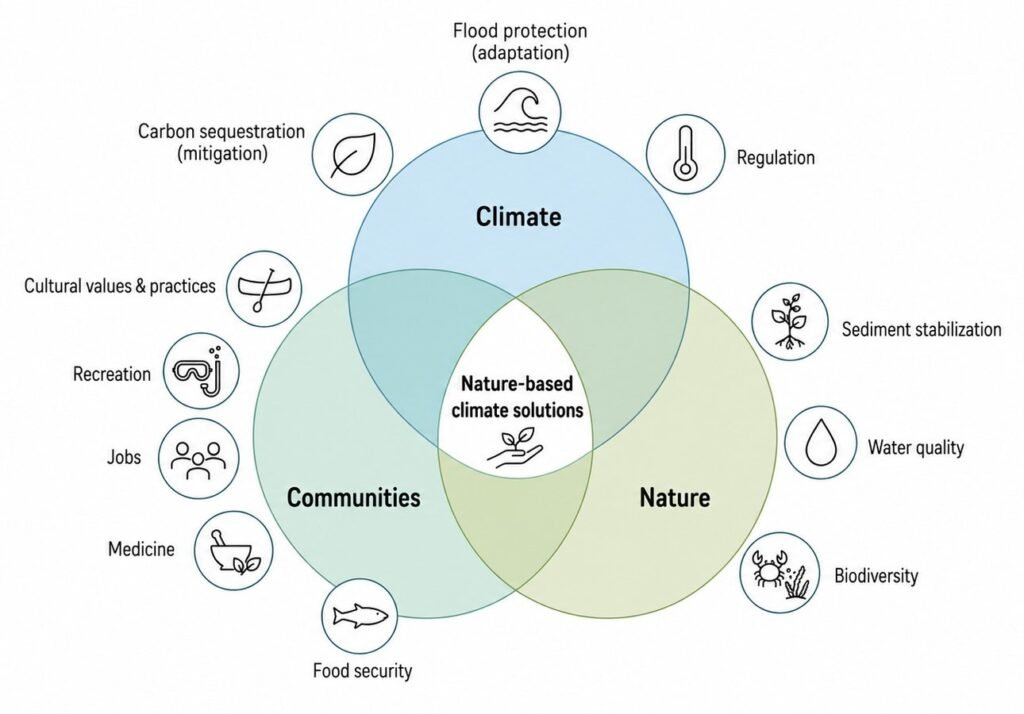
What are nature-based climate solutions?
We define NbCS (nature-based climate solutions) as actions that protect, restore, or improve the management of coastal ecosystems to address climate change and its impacts, while also supporting biodiversity, community well-being, and cultural values.
–— OUR VISION
Healthy, resilient, and thriving coasts
Our vision is for coastal habitats across Canada to be healthy, resilient, and thriving in order to support biodiversity, mitigate climate change, and safeguard the well-being of coastal communities. We envision a future where:
Coastal habitats are effectively protected, restored, and stewarded across all regions
Knowledge is shared openly
Knowledge is shared openly and equitably, enabling informed decision-making and increased access to training, tools, and up-to-date information
Indigenous leadership is recognized
Indigenous leadership, rights, and knowledge systems are recognized and supported
Coastal ecosystems are understood
Coastal ecosystems are understood for their full range of contributions to communities and the environment, including cultural and social benefits, climate mitigation and adaptation, community resilience, and other ecosystem services
Inherent value is honoured
Coastal ecosystems are recognized as having inherent value, independent of their utility to people
Through implementing ambitious climate and conservation actions successfully, Canada has the opportunity to meet important international commitments, including the Kunming-Montreal Global Biodiversity Framework targets, the United Nations Framework Convention on Climate Change, and the United Nations Sustainable Development Goals. By strengthening the enabling conditions for action through improved access to knowledge, the Hub will enable Canada to more effectively advance these targets and commitments.
–— CONTACT US
We'd love to hear from you
The Coastal Habitats Hub team includes WWF-Canada, the Hakai Institute, the RAD Network, the EcoFlux Lab at McGill University, and the University of Victoria’s Blue Carbon Canada Program.
The Coastal Habitats Hub is funded in part by Environment and Climate Change Canada.
