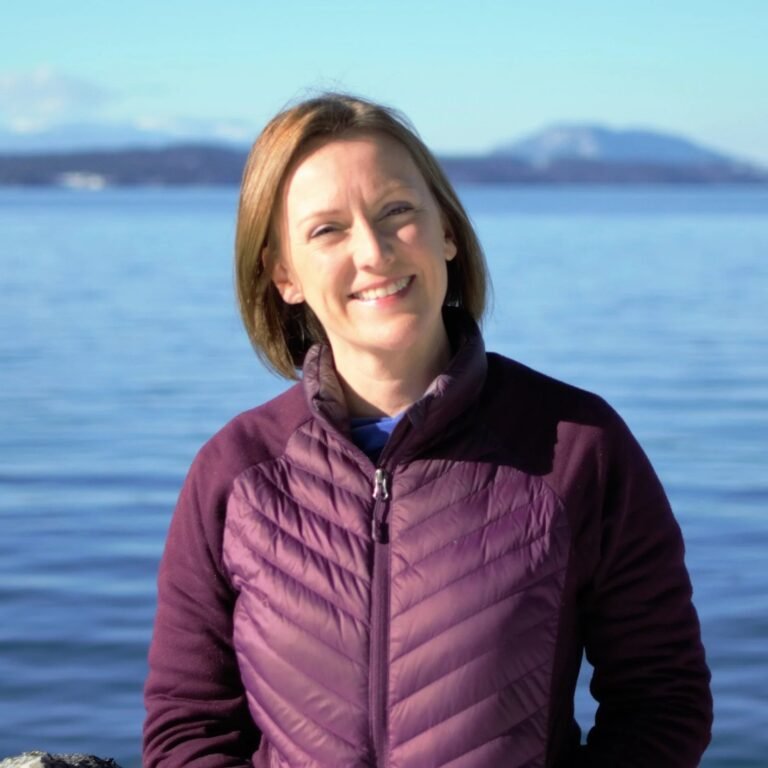
Marianne Fish
World Wildlife Fund Canada
Marianne co-leads the Coastal Habitats Hub, guiding its direction and supporting national coordination. She is a coastal ecosystems senior specialist with WWF-Canada and holds a PhD in environmental sciences. Her areas of expertise include marine and coastal adaptation, and capacity-building through knowledge exchange and outreach.
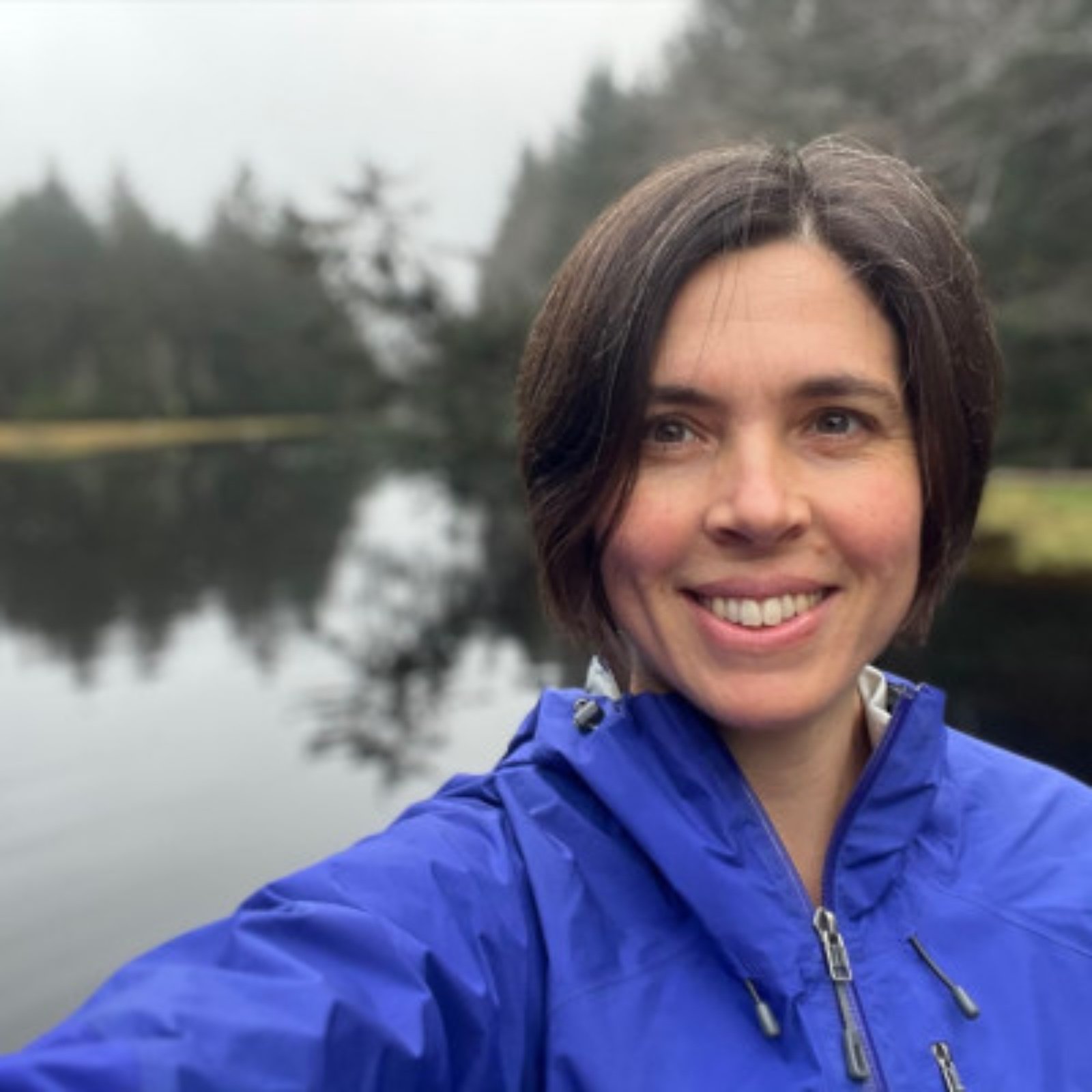
Margot Hessing-Lewis
Hakai Institute
Margot is also a co-lead of the Hub and a marine ecologist with the Hakai Institute’s Nearshore group. She holds an adjunct professor appointment with the University of British Columbia and her work focuses on nearshore habitats. Margot works to guide the direction of the Hub, contextualize research to inform hub priorities, link networks, and connect practitioners across the coastal community.
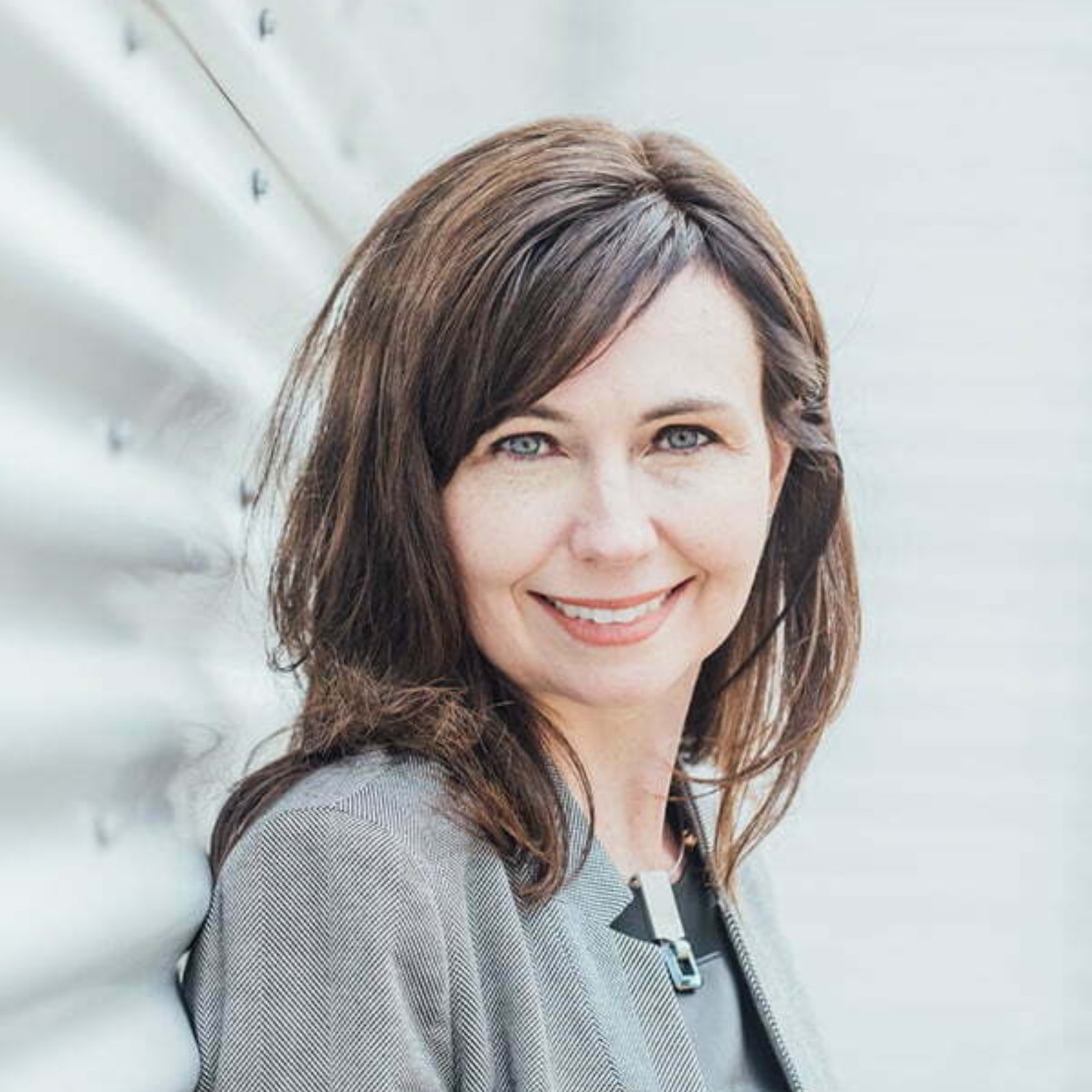
Julia Baum
Blue Carbon Canada, University of Victoria
Julia is the principal investigator of Blue Carbon Canada, providing the scientific direction of the national program. She holds many advisory positions, including as Special Advisor Climate for the University of Victoria. Her research focuses on climate change impacts in the ocean and natural climate solutions, and she is a Lead Author for the IPCC’s forthcoming Methodology Report on carbon management techniques.
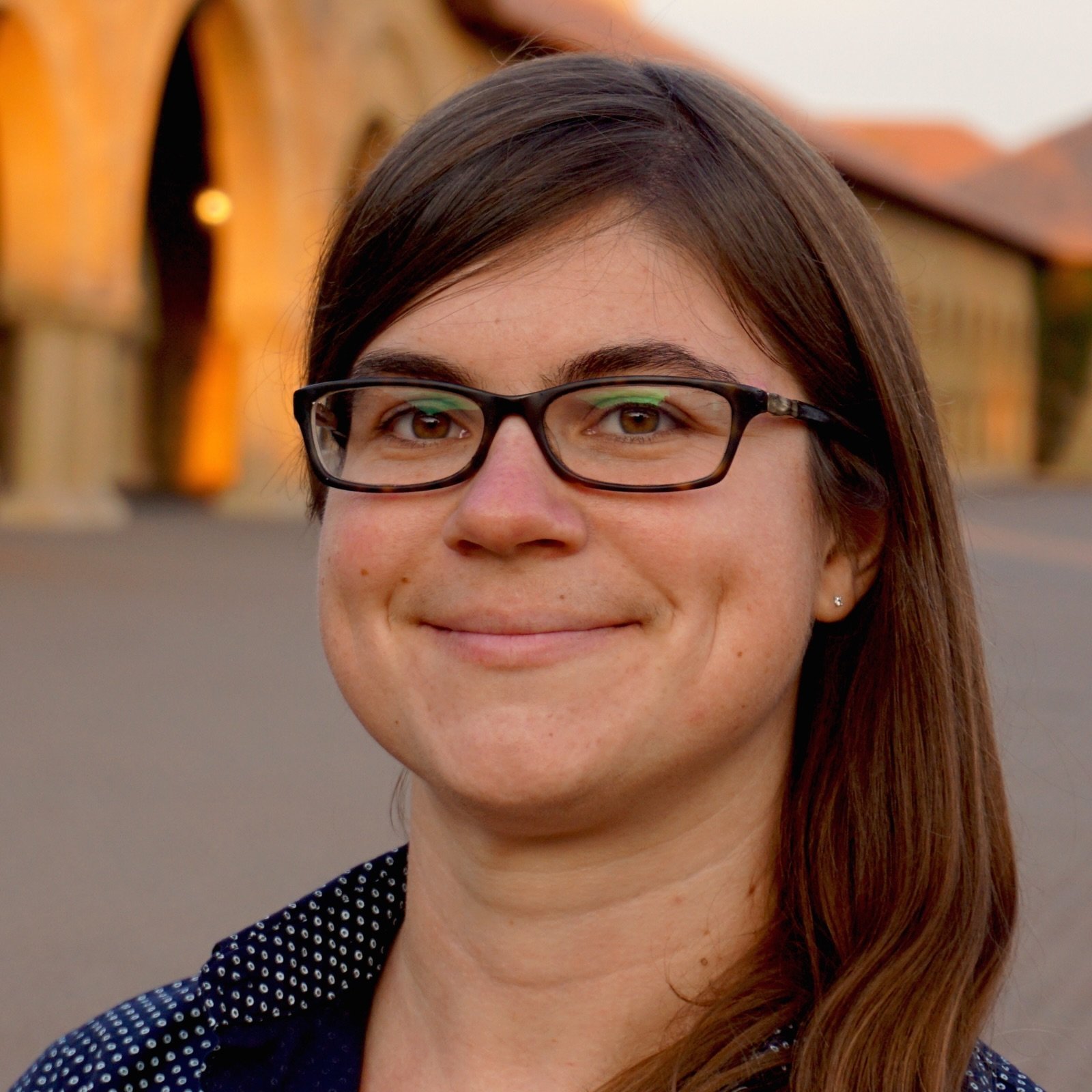
Sara Knox
EcoFlux Lab, McGill University
Sara is a co-PI of Blue Carbon Canada, an associate professor at McGill University, and leads the EcoFlux Lab. Her research focuses on how greenhouse gases, water, and energy move between land and the atmosphere, with a current focus on wetland ecosystems. She works to better understand land-climate feedbacks and support practical climate action.
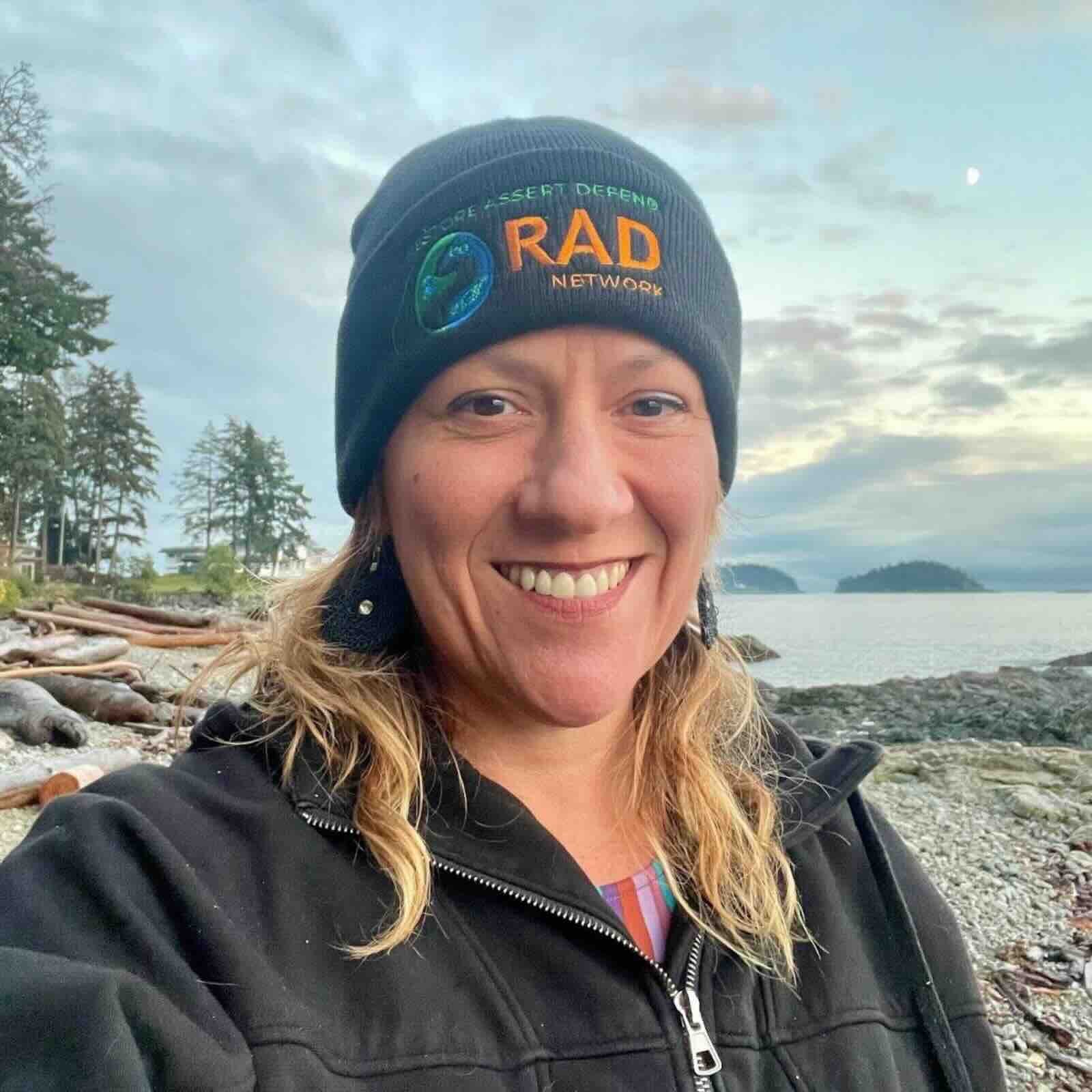
Darcy Riddell
RAD Network
Darcy is the Strategy & Partnerships Director for the RAD Network. Her work focuses on convening, transformative learning, multi-stakeholder engagement, policy advocacy, and scaling innovation to advance justice and protect nature. She brings experience with environmental initiatives, philanthropy, Indigenous-led organizations, and holds a PhD in social-ecological systems.
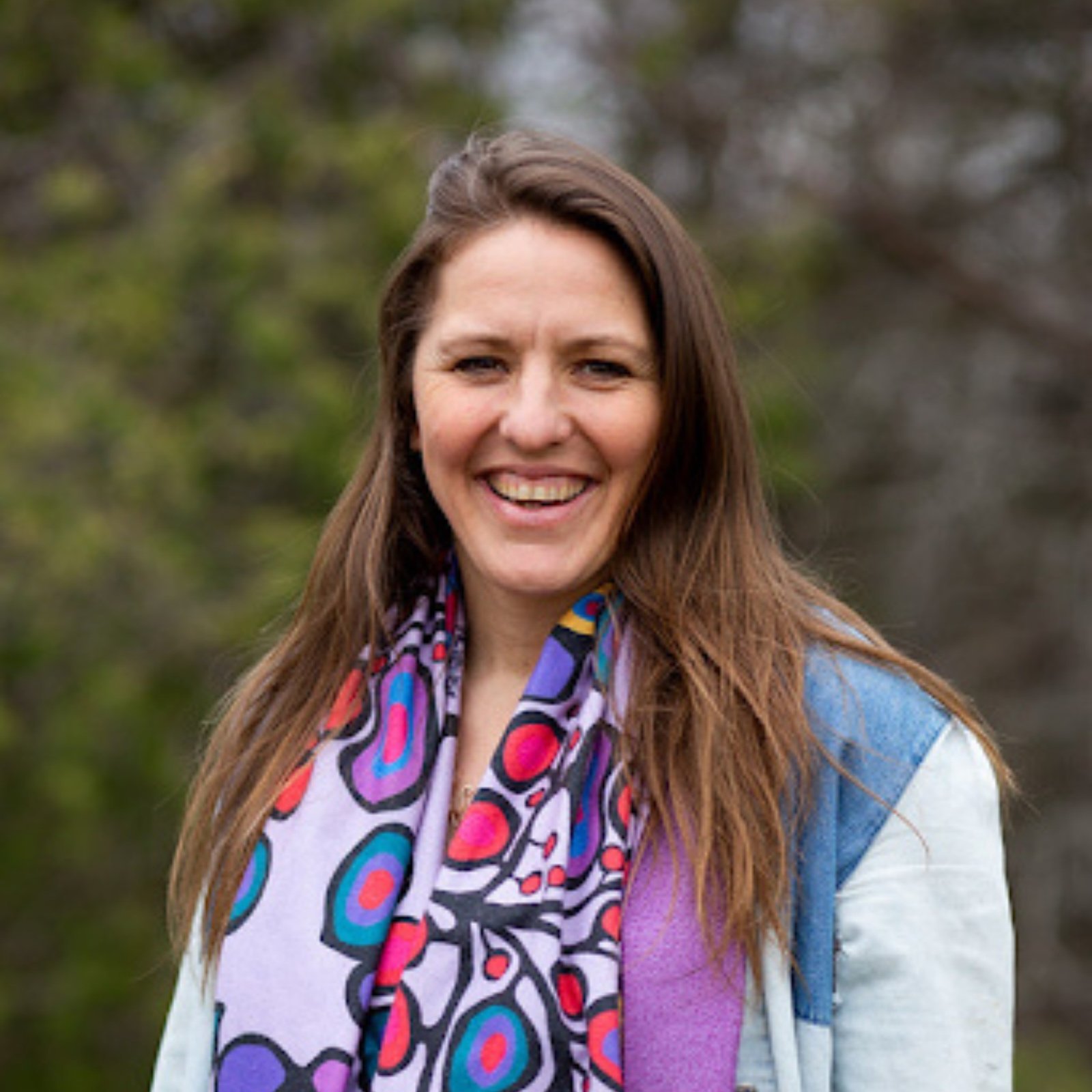
Erin Dixon
RAD Network
Erin is the Wise Practices Director for the RAD Network. Her work focuses on Indigenous leadership, community and collective leadership, and bridging different worlds and ways of knowing. She is also lead faculty in Indigenous Leadership at the Banff Centre and an associate professor with Royal Roads University, alongside several other leadership and community roles.
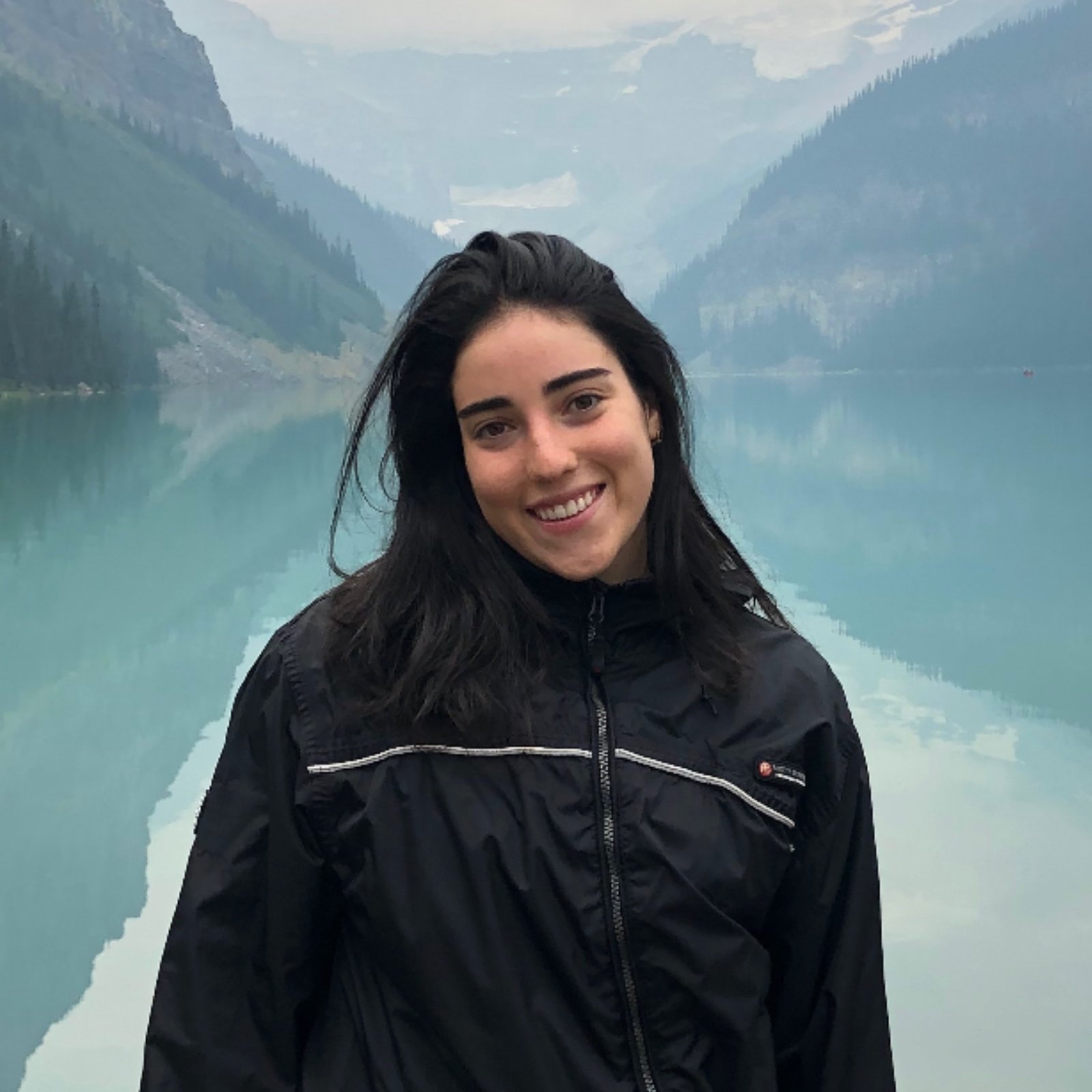
Hannah Solway
Hakai Institute
Hannah leads the National Kelp Ecosystem Learning and Practice Alliance (NKELPA) through the Coastal Habitats Hub. She has supported the initiative from its early stages through stakeholder engagement, steering committee facilitation, and the development of knowledge tools. With a background in conservation and science communication, her current focus is advancing NKELPA’s State of Knowledge, coordinating regional working groups, and supporting the translation of kelp science into conservation action.
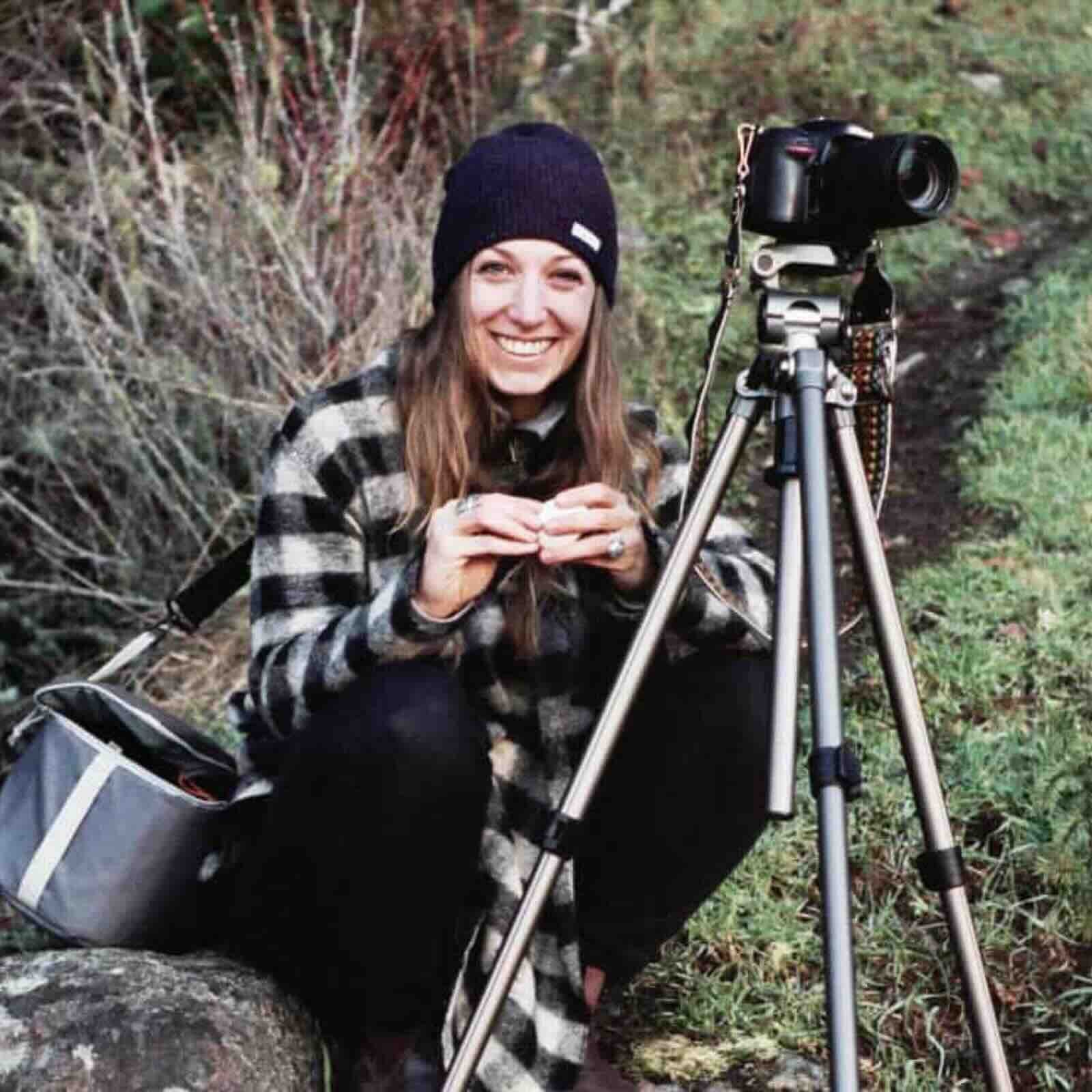
Oriana Smy
University of British Columbia
Oriana leads the development of MONITR, a web-based application and mapping tool dedicated to collecting and sharing coastal monitoring metadata. Her work also focuses on tracking, collating, and synthesizing marine-related policies. As a Research Associate with the Fisheries Economic Research Unit (FERU) at UBC, she connects the CHH collaborators to researchers at the International Bioeconomy and Macroalgae Center at UC Berkeley. Oriana holds a master’s degree in anthropology from UBC, where her research focussed on marine plastic pollution, small-scale fisheries, and human dimensions of climate change in Mexico.
Jessica Currie
World Wildlife Fund Canada
Jessica Currie is a research manager and science advisor for WWF-Canada who provides strategic and technical leadership for conservation research initiatives. She leads and advises multidisciplinary research projects, translating complex scientific information into evidence-based guidance that informs conservation planning, policy, and decision-making.
Shannon Marshall
World Wildlife Fund Canada
Shannon is a Knowledge Mobilization Specialist with WWF-Canada. She has supported the development and launch of the Hub through scoping, stakeholder engagement, and knowledge synthesis. She holds a dual master’s degree in science and international nature conservation with a background in applied research, field work, and science communication. She now focuses on building networks, developing hub activities, and collating tools and resources for coastal practitioners.