Mobilizing & sharing knowledge
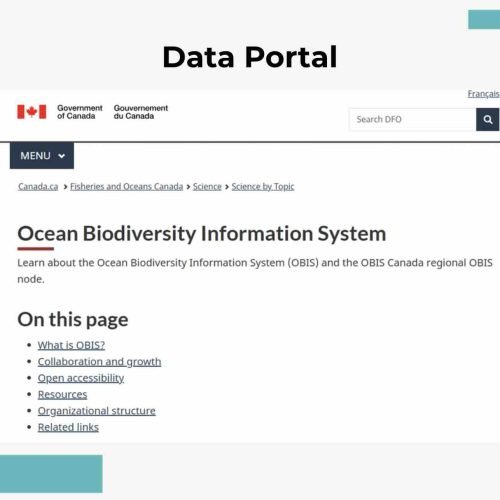
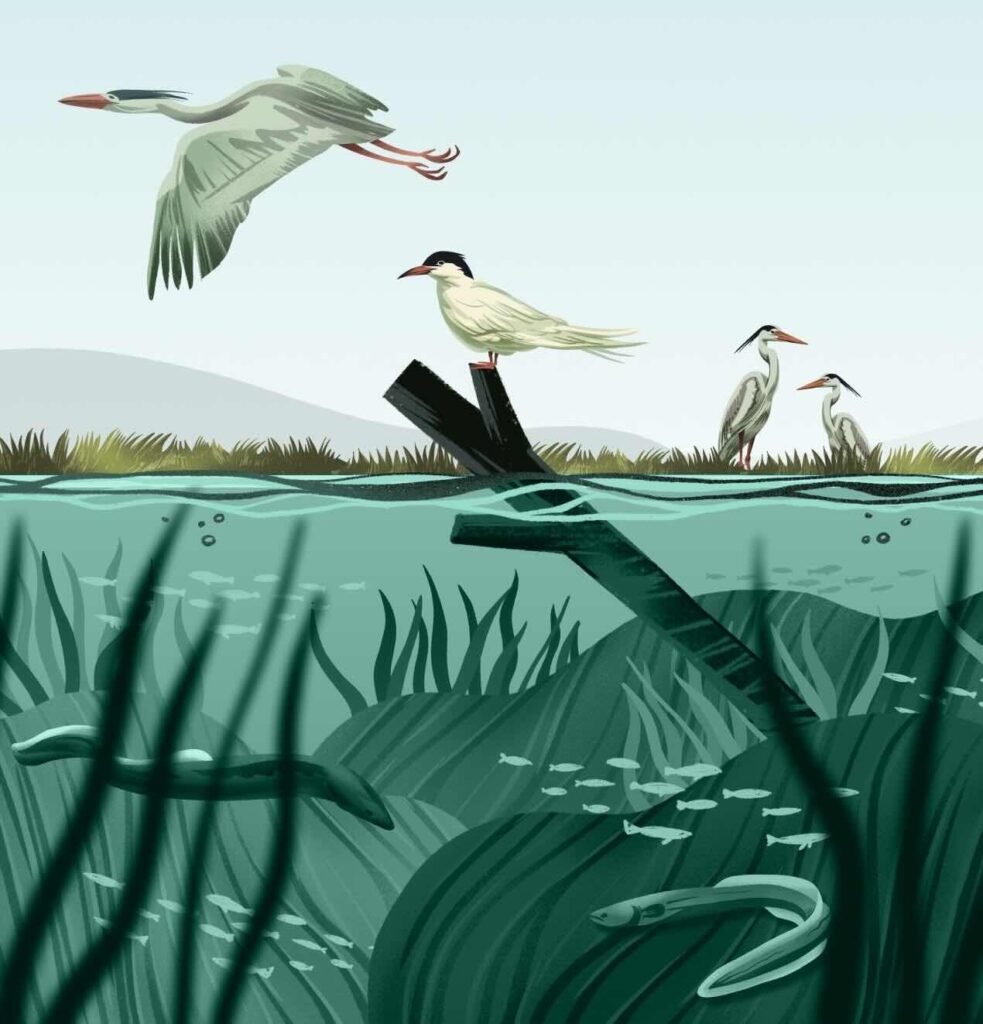
The Coastal Habitats Hub mobilizes and shares knowledge to improve understanding and better inform decision-making for coastal nature-based climate solutions across Canada. By bringing together resources and tools, the Hub aims to make knowledge easier to find and apply. This work also helps us identify knowledge and research gaps related to kelp forests, seagrass meadows and salt marshes.
Our offerings will continue to grow as the Hub matures, and we encourage you to share any recommendations you may have for resources we can share as well as any other ideas for how the Hub can better support this community.
–— EXPLORE
Three ways to learn more
Explore the Hub’s knowledge resources. This includes our curated resource library, a step-by-step carbon measurement toolkit, and our overview of nature-based climate solutions.
Discover resources and tools to support coastal NbCS across kelp, seagrass, and salt marsh habitats
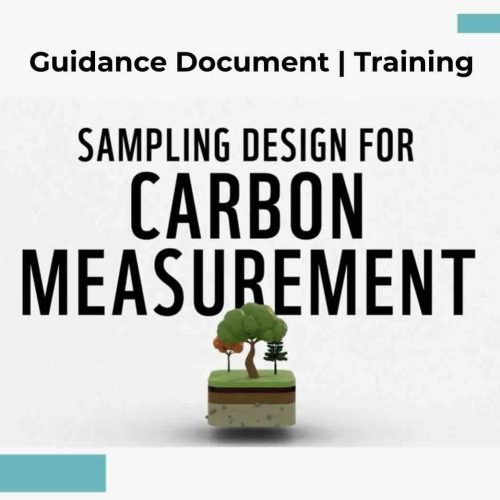
Check out this step-by-step toolkit to support your carbon measurement work
Curious about NbCS? Explore how kelp, seagrass, and salt marsh support climate action
–— DISCOVER
Featured Resources
Browse this selection of resources featured in the Hub’s resource library below. We’re always adding new content and welcome recommendations. If there’s a tool or resource you’d like to see included, get in touch!
- Database
- Journal Article
- Tool
Kelp Nursery Production in B.C. This two-part video series on kelp nursery production in BC demonstrates the technology of harvesting and growing kelp spores for
SeaSketch: Platform for Marine Spatial Planning SeaSketch puts powerful tools into the hands of ocean planners, stakeholders, and the public. SeaSketch supports geospatial data visualization,
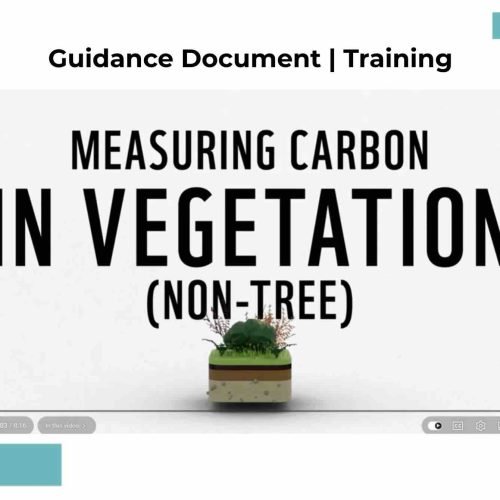
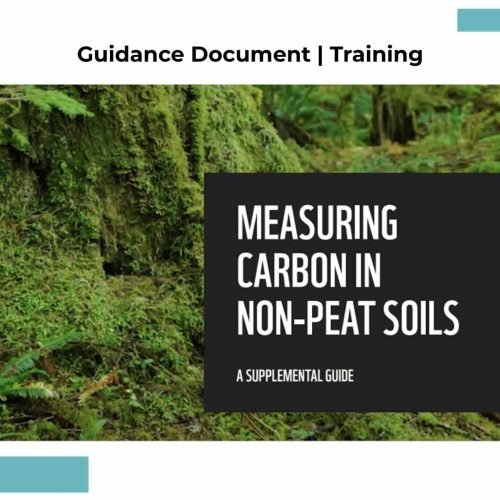
Measuring Carbon in Vegetation: Guide In this guide and its corresponding video, WWF-Canada introduce’s a set of standardized field methods for determining the carbon stock
Measuring Carbon in Coastal Sediments: Video In these videos and corresponding guide, WWF-Canada and Hakai Institute demonstrate methods for measuring blue carbon in the sediments
UNFCCC: A/R Methodological Tool Calculation of the number of sample plots for measurements within A/R CDM project activities. This UNFCCC tool can be used for
Quantifying Coastal Blue Carbon This report provides a summary of published blue carbon methods applied in Canadian ecosystems. The report focuses on four main areas
–— CONTACT US
We'd love to hear from you
The Coastal Habitats Hub team includes WWF-Canada, the Hakai Institute, the RAD Network, the EcoFlux Lab at McGill University, and the University of Victoria’s Blue Carbon Canada Program.
The Coastal Habitats Hub is funded in part by Environment and Climate Change Canada.